
Expert Advice On Parrot Liver And Kidneys
Posted by Parrot liver, Parrot kidneys on 9/1/2026

We?re excited to share advice from Sophie, one of the UK?s leading Parrot trainers. Sophie knows that caring for Parrots isn?t just about training, it?s about keeping them healthy. In this article, she explains why liver and kidney health is so important, the warning signs of trouble and simple steps you can take to prevent issues. From diet tips to safe environments and the importance of regular vet checks, Sophie?s guidance will help your Parrot thrive.
Why Parrots Hide Illness and Why It Matters
As Parrot owners, we know that birds are experts at hiding signs of illness. This is a survival instinct that keeps them safe in the wild by not drawing the attention of predators to themselves when they aren?t feeling good.
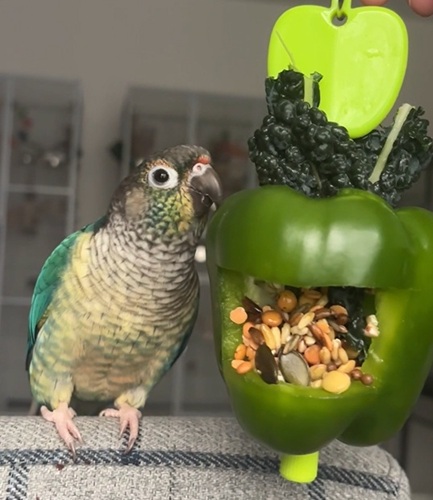
Parrots in our homes also behave this way, which can make it hard for owners to notice when something isn?t quite right.
Two organs which have a vast array of functions are the kidneys and liver. Both of these biological structures can present issues which significantly affect the health of pet Parrots, many of which can be avoided through appropriate diets and good husbandry practices.
The Liver:
The liver has a multitude of functions, from detoxifying the body and metabolising nutrients, to immune support and energy storage.
The most common liver issue seen with pet Parrots is fatty liver disease. This is where Parrots consume diets high in fat and sugar with little exercise or flight. The excess levels of dietary fat and sugar overwhelm the liver which cannot keep up with the speed of processing it, leading to a build up of fat in the liver and inflammation.
The liver is then unable to function as normal, which in turn disrupts many bodily processes. Malnutrition from inappropriate diets is very common in pet Parrots, which can have a detrimental effect on many parts of a Parrot?s body, not just the liver.
Some Parrots such as Lorikeets and Lories can also develop issues with their livers from iron storage disease, also known as haemochromatosis. Diets high in iron or vitamin C (which helps with the absorption of iron) can cause a build up on iron in the body leading to cellular death and liver failure.
Iron storage disease is significantly less common in other Parrot species, but it is important to be aware of.
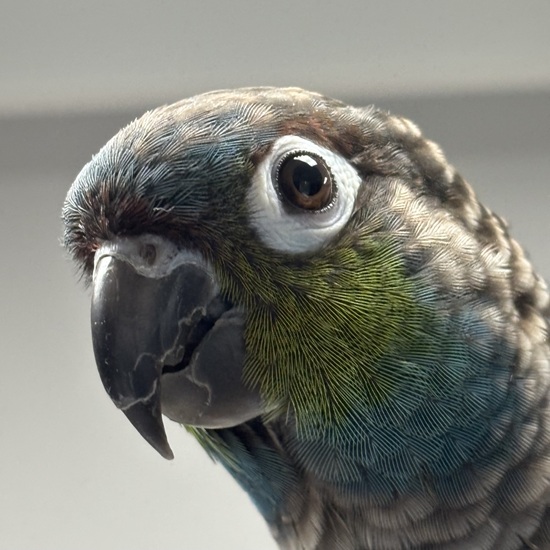
Signs of liver disease include: obesity or significant weight changes, yellow or green urates, a distended abdomen, lethargy and overgrown beak and nails. If a bird has issues with their liver, you may also see abnormal feather colouration.
This can look like feathers that are normally green turning yellow.
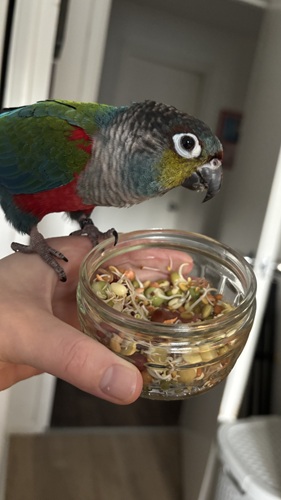
You can support your bird?s liver by offering a balanced diet with appropriate levels of fat and sugar. Increasing exercise opportunities will also keep your bird fit and healthy.
There are many ways to help your bird to exercise, including swings, indoor flight training through recall and stationing, climbing opportunities, foraging and even running on a flat surface.
Healthy foods that can support your bird?s liver include: walnuts, ginger, milk thistle seeds, celery, artichokes, blueberries, broccoli, dark leafy greens and whole grains.
The Kidneys:
Much like the liver, the kidneys help to filter out toxins and waste from the body. The kidneys are also responsible for the levels of water and electrolytes in the body. A Parrot?s kidneys have a large role to play in maintaining their normal blood pressure, as well as supporting the production of red blood cells.
There are a variety of issues that can cause kidney disease in pet Parrots. Gout is a metabolic disorder where uric acid crystals build up in the body and joints as the kidneys fail to excrete this via the droppings as the typical white chalky component.
Gout can be caused by excess dietary protein and calcium, dehydration or a lack of vitamin A in the diet. Like with the liver, malnutrition can take its toll on the kidneys which is why it?s important to understand what foods are safe and healthy for your bird.
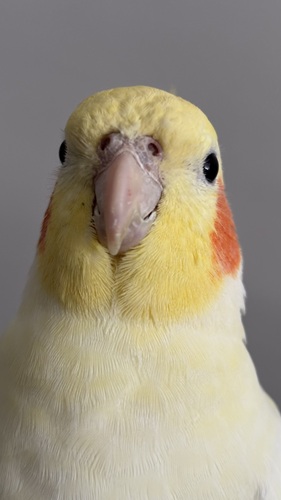
Heavy metal poisoning can also affect the kidneys and many other bodily processes. This can occur when birds are offered toys or kept in cages with unsafe metals like lead and zinc.
Signs of kidney disease include: increased thirst, lethargy, polyuria (increased urine), lameness and poor foot gripping, ruffled feathers, leg weakness and weight loss.
You can support your bird?s kidneys by providing a balanced diet and fresh, clean drinking water. Vegetables can also help to keep birds hydrated due to their high moisture content. It?s also important to ensure that any metal items that are offered to you bird such as bowls, toys and cages are free from toxic metals.
Healthy foods that can support your bird?s kidneys include: pomegranates, dark leafy greens, red bell peppers, cauliflower, cucumber, fresh cranberries and whole grains.
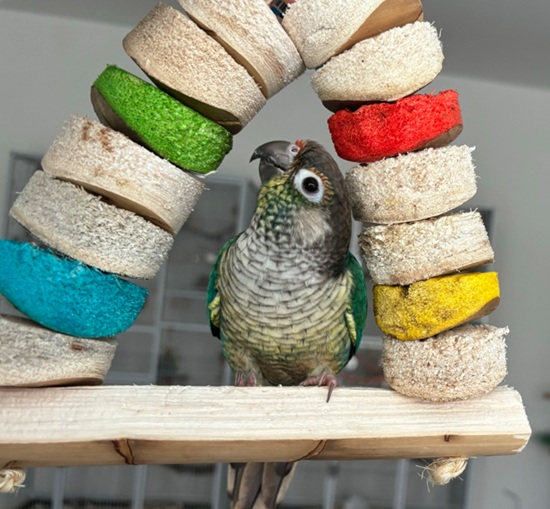
If you are concerned about your Parrot?s health, take them in for a check up with an avian vet. There are a variety of diagnostic tools available that can detect issues with the liver and kidneys, but prevention is always better than cure. Being proactive rather than reactive towards your Parrot?s health and well being can keep them healthier and happier for longer.
Sign up to get early access to exclusive deals, special offers, new arrivals, blogs and more...