
Supporting Your Parrot's Gut Health
Posted by Parrot Gut Health, Gut Health, Parrot Health, Anti-inflammatory foods, digestive tracts and fast metabolisms on 20/4/2026

A Parrot?s gut health plays a vital role in digestion, immunity and overall wellbeing, making it just as important as outward signs of good health. A balanced diet rich in Parrot?safe vegetables, herbs, sprouts and small amounts of fruit helps support a diverse and healthy gut microbiome, while probiotics, prebiotics and anti?inflammatory foods can provide additional support.
Avoiding processed human foods, dairy and toxic ingredients, alongside maintaining good hygiene and reducing stress, further protects digestive health. By feeding thoughtfully, monitoring droppings and managing your bird?s environment, you can help keep your Parrot?s gut and body in healthy balance.
When we think of assessing the health of a Parrot, we often look at outward signs, such as bright feathers, clear eyes, normal breathing and a stable weight. However, one of the essential systems within your bird that plays a huge role in their overall health is their digestive system.
Within a bird?s digestive tract, you?ll find their gut microbiome. This is an ecosystem of healthy microbes like good bacteria that live within the gut flora. The gut microbiome is responsible for proper digestion, immune system support and even mental well-being.
Therefore, taking care of your bird?s gut health is crucial for multiple bodily processes, as an unbalanced gut can lead to a whole host of chronic and acute health issues.
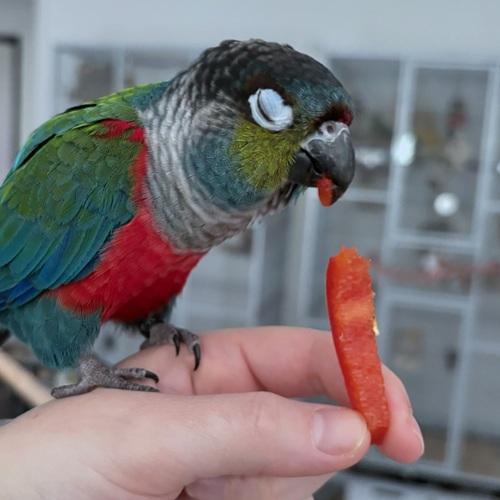
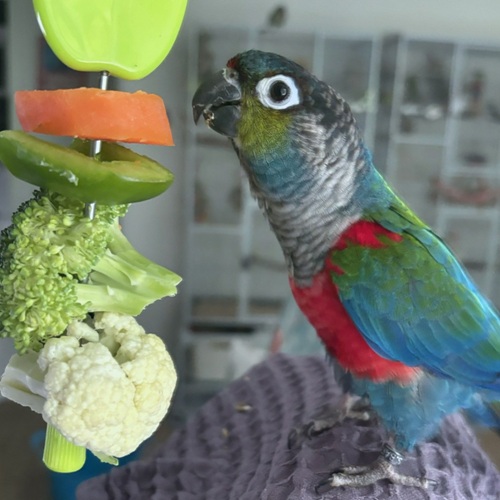
An easy way to support your Parrot?s gut health is with a wide variety of Parrot safe fresh foods. Orange and green vegetables are packed with vitamins and minerals, so offering things like peppers, butternut squash, sweet potato, carrots, leafy greens, broccoli and brussels sprouts can provide a wide variety of nutrients.
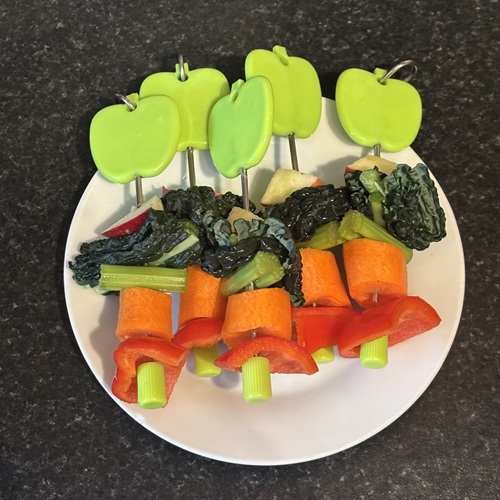
Fresh herbs like thyme, mint and rosemary can even have a calming effect on your bird, as well as being fun shredding experiences. Fresh fruit in moderation is also a healthy choice for Parrots. Fruits that are red and purple in colour can protect against cellular damage, improve heart health and support healthy skin.
Sprouted seeds, grains and legumes are a great source of bioavailable and easily digestible protein. They also contain high levels of enzymes that make digestion easier and help to diversify the friendly bacteria in the gastrointestinal tract.
Probiotics are also a form of good bacteria which can help to stabilise the balance of the gut microbiome. Probiotics specifically formulated for Parrots can help birds who are, or have been unwell, and they are especially helpful to offer after a bird has been on a course of antibiotics.
Prebiotics are often included in probiotic products as these act as food for the good bacteria to help them to flourish. Healthy foods that contain prebiotics include: apples, slightly green bananas and dandelion greens.
Anti-inflammatory foods and those high in antioxidants can also support your bird?s gut health, as chronic inflammation in the body can lead to illness. Some Parrot safe foods that can reduce inflammation include: hemp seeds, walnuts, blueberries, leafy greens, fresh ginger, chia seeds and flaxseeds.
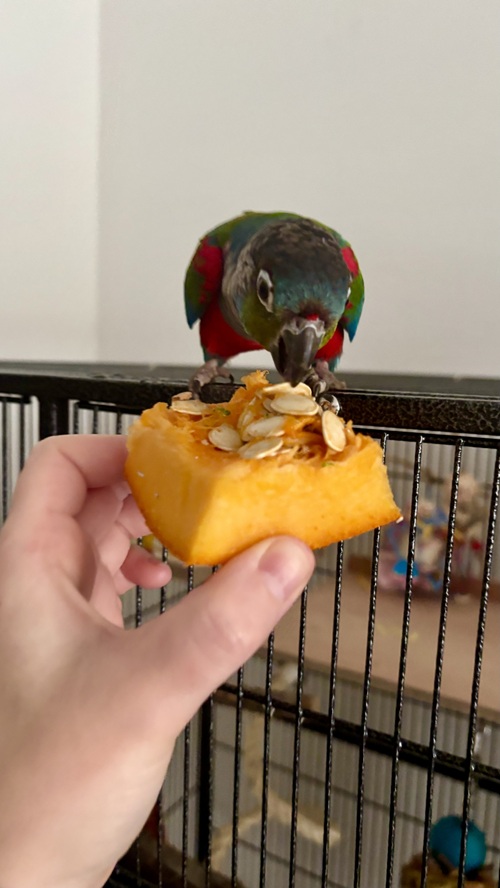
There are many foods to avoid when feeding your bird, especially human foods. Highly processed foods, and those high in fat or sugar can lead to a multitude of health issues. Remember, just because your bird likes something, doesn?t mean it?s good for them.
Parrots also have very quick moving digestive tracts and fast metabolisms, and what seems like a little bit of unhealthy food to us, is a lot to them. Any time you feed something unhealthy to your bird, you are replacing an opportunity where they could be eating something to improve their health.
Foods to avoid include: avocado, onion, animal meat and bones, biscuits, crackers, bread and toast, cakes, chocolate, chips, and any other processed food for humans. Dairy products shouldn't be offered to Parrots either.
This is because they lack the enzyme lactase which is responsible for breaking down the lactose in these foods. As they are unable to digest dairy products such as cheese, milk and ice cream, these should not be offered to Parrots. Adding these to your bird?s diet can cause digestive upsets and loose faeces.
It?s also important to consider how Parrot digestion works. First, food is mechanically manipulated by the beak and tongue before being swallowed into the crop, which is a soft, muscly storage pouch.
Food then travels through a Parrot?s stomach which is split into two parts: the proventriculus (the glandular stomach) and a gizzard or ventriculus (the muscular stomach). After initial chemical digestion, food then moves through the small and large intestines where more nutrients are absorbed, before exiting through the cloaca as faeces.
An important way of monitoring and supporting your bird?s gut health is looking at the end results - Parrot poop! Knowing what normal Parrot faeces, urates and urine looks like is an essential step in health checking your bird. Any changes to the colour, consistency, size, smell or frequency should be discussed with your avian vet.
Maintaining good hygiene in areas where your bird lives and plays can also help to keep their gut healthy. Parrots love to explore the world with their beaks and mouths, so if they are playing in an unclean environment, it will be very easy for them to pick up harmful microbes.
Having a regular and manageable cleaning routine is essential for Parrot health and welfare - it?s better to do a little each day, rather than leaving everything to build up throughout the week. This also includes washing up food and water bowls with washing up liquid and hot water on a daily basis.
Finally, a huge factor in keeping all Parrot bodily systems healthy is reducing stress. Stress can be reduced by helping your bird to cope with change through structured desensitisation to new things, a good sleep routine, strong foraging and independent play skills, positive reinforcement training, learning their body language and reducing hormonal triggers in the environment.
A healthy gut makes for a happy Parrot, so being aware of what you are feeding your bird, and how you are managing their environment can help to keep things in balance.
Sign up to get early access to exclusive deals, special offers, new arrivals, blogs and more...