
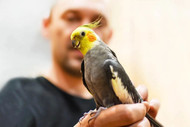
Happy Parrot, Happy Home!
Posted by Parrot care, Parrot wellbeing, Pet Parrots UK, Companion birds, Avian welfare, Parrot behaviour, Parrot enrichment, Parrot nutrition on 27/4/2026
Parrots are among the most intelligent and emotionally complex animals we share our homes with. In the UK, well over a million pet birds ? including Parrots, Budgerigars and Cockatiels ? live as companions, and their care is increasingly recognised as something far more involved than simply providing food and a cage.
Modern research and practical experience both point to the same conclusion: Parrots thrive when their physical, mental and social needs are met together. This guide looks at how to do exactly that ? in a realistic, balanced and achievable way for everyday life.

Caring for a Parrot is about balance rather than perfection, combining good nutrition, social connection, mental stimulation and consistent routines.
A varied, practical diet, opportunities for both enrichment and quiet companionship, appropriate living space, regular bathing and attentive observation all work together to support physical and emotional wellbeing.
By focusing on realistic, everyday care and recognising Parrots as intelligent, social companions, owners can create a calm, enriching home that allows their birds to thrive and build strong, lasting bonds.
1. Feeding Your Parrot: Balance, Variety, and Practical Choices
Moving Beyond ?One Perfect Diet?
Few topics in Parrot care are as debated as diet. In reality, there is no single ?perfect? feeding method that suits every bird or every household. What matters most is balance, variety and consistency over time.
Research in avian nutrition shows that deficiencies ? particularly in vitamin A, calcium and essential amino acids ? are linked to long-term health problems. However, these deficiencies are usually the result of limited diets, not any one food type on its own (Mancinelli, 2014).
Seeds: Quality Matters More Than Labels
Seeds often get a bad reputation, but the reality is more nuanced.
- Lower-quality seed mixes are often heavy in sunflower seeds and peanuts, which are high in fat and low in nutritional variety. These mixes can contribute to weight gain and imbalance if fed exclusively.
- Good-quality seed blends, especially those with a wider variety of grains, seeds and added nutrients, can form part of a balanced diet when combined with fresh foods and other sources of nutrition.
Rather than viewing seeds as ?bad?, it?s more helpful to think in terms of:
- Variety
- Proportion
- Overall nutritional balance
Pellets, Fresh Foods, and Real-Life Feeding
Pellets can provide a consistent nutritional base, particularly for owners concerned about deficiencies. However, they are not the only way to feed a healthy Parrot, and not all birds readily accept them.
A practical, balanced approach for many UK households might include:
- A base of high-quality seed or pellet food (or a mix of both)
- Daily fresh vegetables
- Occasional fruit
- Nuts and seeds used for enrichment and training
Cost-Effective Feeding Tips
Feeding Parrots well doesn?t have to be expensive. Some practical ways to keep costs manageable include:
- Use your own veg prep
- Carrot tops, broccoli stalks, pepper cores and leafy greens from your kitchen are excellent additions.
- Batch preparation
- Chop and freeze mixed vegetables in portions to reduce waste.
- Cooked foods
- Lentils, beans (properly cooked), rice, and grains are affordable and nutritious.
- Sprouting seeds
- Sprouted seed mixes are inexpensive and significantly increase nutritional value.
- Reduce waste
- Offer smaller portions more frequently rather than large amounts that get thrown away.
The Importance of Shared Meals
In the wild, Parrots eat together. It?s a social activity, not just a nutritional one.
Sharing at least one meal a day with your Parrot ? even if it?s just sitting nearby while you eat ? can:
- Strengthen your bond
- Encourage healthy eating habits
- Provide natural enrichment
This simple routine is often overlooked but can make a huge difference to a Parrot?s emotional wellbeing.
2. Enrichment: It?s Not All About Toys
Rethinking Enrichment
Enrichment is often misunderstood as ?keeping Parrots busy all the time?. In reality, Parrots also need time to relax and simply exist alongside their human flock. Research shows that increasing environmental complexity reduces behavioural problems such as feather-plucking (Meehan et al., 2003), but this doesn?t mean constant stimulation is required.
Active vs Passive Enrichment
A healthy balance includes:
Active enrichment
- Foraging toys
- Puzzle feeders
- Training sessions
- Destructible materials
Passive enrichment
- Sitting with you while you watch TV
- Listening to background radio
- Observing household activity
The Value of ?Doing Nothing Together?
Simply spending time together ? watching television, reading or relaxing ? is hugely valuable. Parrots are social animals. Being near you, without pressure to perform or interact, helps them feel secure. This kind of quiet companionship is often just as important as structured play.
When You?re Not Home
If your Parrot is left alone during the day:
- Leave a radio or TV on at low volume
- Maintain a consistent routine
- Ensure access to safe toys and foraging options
- Background sound can provide comfort and reduce feelings of isolation.
3. Cage Setup and Living Space
Parrots need space to move, climb and explore.
A suitable cage should:
- Allow full wing extension
- Include multiple perches of different sizes
- Provide room for toys without overcrowding
Natural wood perches are ideal, helping maintain foot health and preventing pressure sores. Placement matters too. In UK homes, Parrots should be kept:
- In a social area (not isolated rooms)
- Away from draughts and kitchens
- Where they can observe daily life
4. Sleep: Rethinking the ?12-Hour Rule?
You?ll often hear that Parrots need 12 hours of uninterrupted sleep in complete darkness. In reality, this is an oversimplification.
In the wild, Parrots:
- Wake and rest with natural light cycles
- Nap during the day
- Settle in the evening but remain aware of their surroundings
What This Means at Home
Rather than enforcing strict 12-hour darkness:
- Allow your Parrot to rest naturally in the evening
- Expect short naps during the day, especially morning and late afternoon
- Maintain a consistent routine, rather than rigid darkness
For many UK owners, especially those working during the day, overly early bedtimes can reduce valuable evening interaction time. That time together is important for bonding and wellbeing.
The focus should be on quality rest and routine, not strict hours.
5. Daily Routine and Social Time
Parrots thrive on predictability.
A balanced day might include:
- Morning feeding and interaction
- Periods of independent activity
- Evening time together
Routine helps Parrots feel secure and reduces stress.
Importantly, Parrots need daily social contact. This doesn?t always mean active play ? simply being present in the same space can be enough.
6. Bathing, Showers, and Feather Care
Parrots originate from environments that are often humid, with regular rainfall and access to water.
Why Bathing Matters
Regular bathing helps:
- Maintain feather condition
- Reduce dust and dander
- Support skin health
- Encourage natural behaviours
Ways to Offer Bathing
- Gentle misting with a spray bottle
- Shower perches
- Shallow dishes for bathing
Some Parrots love water immediately; others take time to adjust. The key is offering opportunities regularly without forcing the experience.
7. Routine Health and Observation
Parrots are skilled at hiding illness. Regular observation is essential.
Watch for:
- Changes in appetite
- Fluffed feathers
- Reduced activity
- Changes in droppings
Annual check-ups with an avian vet are strongly recommended.
8. Common Issues in UK Parrot Care
Across the UK, the most common challenges include:
- Poor diet balance
- Lack of stimulation
- Inconsistent routines
- Limited social interaction
Many of these issues are interconnected. Improving one area often positively affects others.
Conclusion: A Balanced, Real-Life Approach
Good Parrot care isn?t about perfection ? it?s about balance.
- A varied, practical diet
- Opportunities for enrichment and relaxation
- Time spent together
- A safe, stimulating environment
- Regular bathing and observation
- Consistent routine
Together, these create the foundation for a healthy, content Parrot. Parrots are not just pets. They are companions who share our homes, our routines and our lives. When we meet their needs in a realistic, thoughtful way, they reward us with trust, personality and years of companionship.
Peer-Reviewed References
- Meehan, C. L., Millam, J. R., & Mench, J. A. (2003). Effects of environmental enrichment on behaviour in Parrots. Applied Animal Behaviour Science, 80(1), 71?85.
- van Hoek, C. S., & ten Cate, C. (1998). Abnormal behaviour in caged birds. Journal of Applied Animal Welfare Science, 1(1), 51?64.
- Seibert, L. M. (2006). Social behaviour of psittacine birds. In Manual of Parrot Behaviour.
- Mancinelli, E. (2014). Nutrition and clinical care of pet Parrots.
Elaine Henley P.G. Dip CABC
Full Member Association of Pet Behaviour Counsellors (APBC)
Animal Behaviour Training Council (ABTC) Registered Clinical Animal Behaviourist
Website: www.dogbehaviour.org.uk
Facebook:www.facebook.com/animalbehaviourclinic
Sign up to get early access to exclusive deals, special offers, new arrivals, blogs and more...