
Biosecurity as a Pet Parrot Owner
Posted by Biosecurity, Vaccinations, Infectious Diseases, Quarantine on 24/2/2026
Biosecurity for Parrots involves taking essential steps to protect them from infectious diseases, toxins, and environmental hazards. Keeping birds healthy starts with good nutrition, enrichment, exercise, and regular vet checks, as Parrots often hide signs of illness. Since no vaccines are available in the UK, carers must focus on hygiene, daily cleaning, safe handling, and preventing contamination from visitors or other birds.
New birds should always be quarantined to avoid spreading disease, and both indoor and aviary Parrots must be protected from parasites, predators, and household dangers such as toxic fumes, unsafe materials, and common hazards like open fires or loose wiring. By maintaining a clean environment and understanding potential risks, carers can significantly improve their Parrot?s safety and wellbeing.
What is Biosecurity?
This concept includes measures taken to protect a population (in our case Parrots) against harmful biological or biochemical substances. As carers, we have a responsibility to our birds to protect them from such harm. Captive Parrots are susceptible to noxious agents that they cannot avoid because of their confinement.
Broader considerations
An important consideration is the general health and wellbeing of your Parrot. A fit, healthy bird is more able to withstand infectious diseases or environmental contaminants than one that is unhealthy or stressed.
Thus, a nutritious, balanced diet, environmental enrichment, and adequate exercise and socialisation are paramount. Carers should also be vigilant ? know your bird and their normal behaviour, so that you can identify any subtle changes in attitude.
Parrots are prey species, so are very good are disguising signs of ill health until they are really unwell. Annual veterinary health checks are well worthwhile, as they can identify problems early by means of weight checks and blood tests.
Vaccinations
Most other captive animals have vaccines available to give them immunity to a range of infectious diseases. Sadly, none are currently available in the UK for our Parrots. So, what else can we do?
SPECIFIC PROBLEMS ? these come down to Infectious Diseases, Accident or injury, or Environmental Factors.
Infectious Diseases
These are conditions caused by infectious agents, or germs, which include viruses, bacteria, fungi, protozoa and parasites. There is a long list of such possibilities, many described in more detail on other Parrot advice pages here.
Such organisms are spread by direct contact bird to bird, in dust from droppings or feathers, from faeces or discharges, from human handlers, or what are called ?fomites? ? inanimate objects such as toys, perches, feed bowls, nets etc.
It therefore follows that biosecurity to prevent such infections should include cleanliness and hygiene. Food and water bowls should be cleaned and disinfected at least once a day; perches and cages should be cleaned and disinfected weekly, while cage and aviary floor coverings should be changed at least weekly.
Droppings and discarded dry food should not be allowed to accumulate, certainly never to the point where mould starts to grow on it.
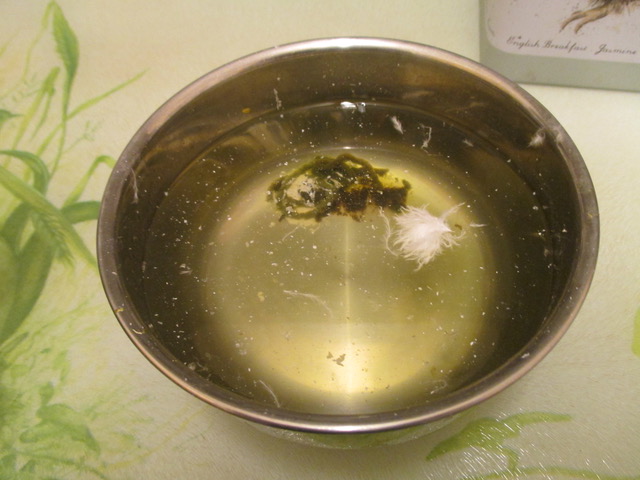
Uneaten fresh fruit and vegetable should be disposed of at least daily, more often in hot weather. Drinking water contaminated with food or droppings should immediately be changed.
Remember ? Disinfection alone is no good without first cleaning. Even the strongest agent will not cut through centimetres of dried out droppings! Always use a bird-safe disinfectant ? F10 or those containing chlorhexidine (e.g. Avisafe) are suitable.
Wash fresh fruit and vegetables before feeding them to your Parrot and wash your hands before preparing food or handling your bird.
Visitors likely to touch your Parrots or give them treats should also be asked to wash hands or use a disinfectant hand gel before doing so, especially if they keep birds themselves. Similarly, if you visit other collections or bird shows you should wash and disinfect hands before attending to your own birds, and ideally first change your clothing.
Never be tempted to ?just look after? a friend?s bird by putting it in the same room as your own Parrot ? unless both have recently been examined and tested for infectious diseases.
Quarantine ? When you acquire new birds, always quarantine them in a separate part of the house before introducing them to your existing Parrot(s). Ideally, this quarantine period should last for a month, during which the bird should be tested for infectious diseases, if it was not already tested before acquisition.
Any mixing of unfamiliar birds in such ways is a sure-fire way of spreading dangerous diseases.
Parasites are included in infectious diseases. They can be internal (roundworms or tapeworms, protozoa) or external (mites, lice and ticks). Indoor pet birds are unlikely to acquire parasites, unless recently obtained from an outdoor facility.
The mite that causes ?scaly face? (Cnemidocoptes) in Budgerigars can remain dormant in a bird, only to become active if the bird is stressed or weakened.
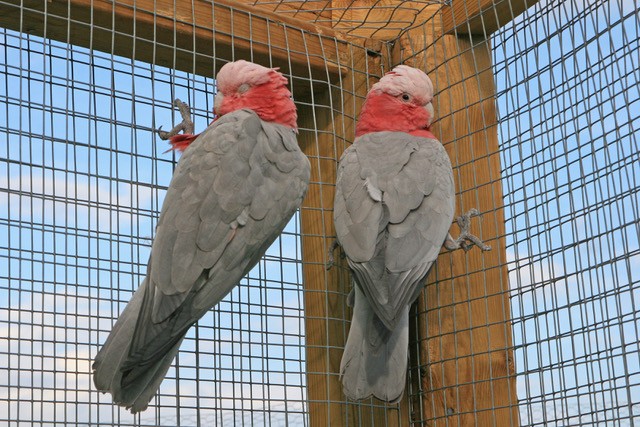
Aviary birds, however, especially ground feeding Parakeets or Galahs can readily become infested with intestinal worms, while overhanging vegetation can allow ticks access. Therefore, these birds should be routinely wormed twice a year, and overgrown grass or climbing plants should be trimmed.
Accident or injury
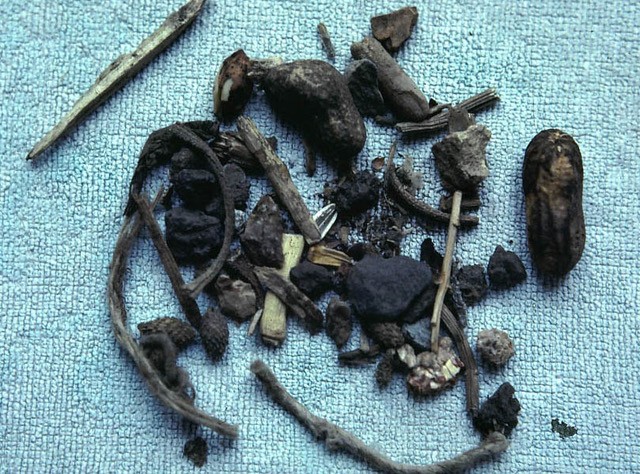
The home can be a dangerous place for Parrots. Inside the cage, beware of small metal clips or chains that can get caught in beaks or feet, or fibrous rope that can be ingested or wrapped around necks or feet.
Beware also of cheap galvanised wire mesh or clips that contain zinc: zinc poisoning can be fatal in Parrots.
Other household pets like cats and dogs can be intimidating and stressful if allowed near or on the cage, and even more dangerous if your bird has free time outside their cage.
Open fires, loose electric wiring, open doors and windows, mirrors, lighted candles, cigarette smoke, glasses containing alcoholic drinks are some of the many other hazards to be found in the home.
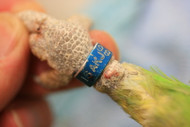
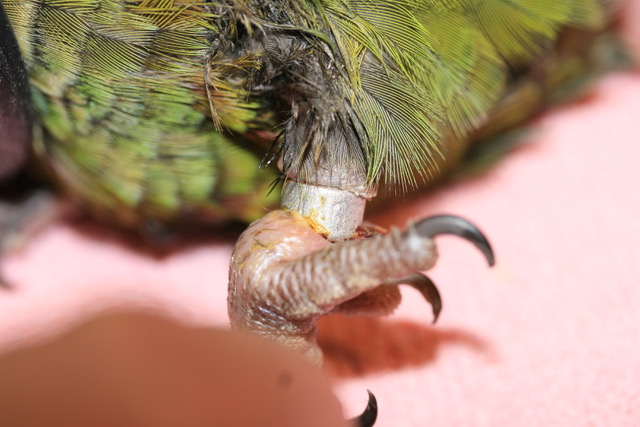
Leg rings (bands) can cut into the leg as the bird grows if the ring is too small, or if the leg swells through injury or infection. Check them regularly.
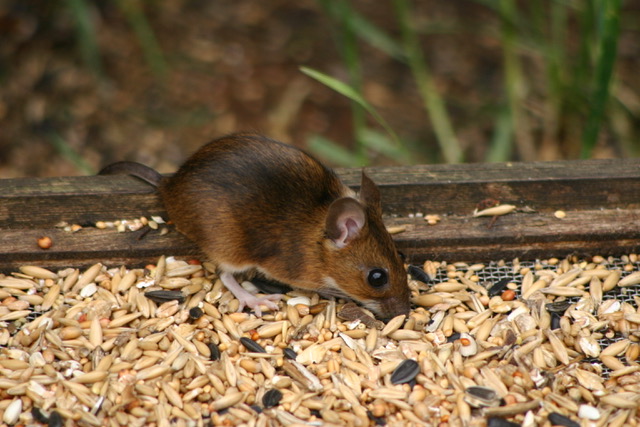
For aviary birds, risks include attack by birds of prey, marauding cats, or invading rats or mice. These may be avoided by ?double-wiring? the flights. Then there is accidental escape, so always build a safety porch into the design.
Environmental factors (including toxins)
Zinc poisoning from galvanised metal has been mentioned, but lead may be acquired from old paintwork or old-style curtain weights or soldered joints.
Perhaps the most dramatic household hazard comes from over-heated cooking utensils or ovens with non-stick surfaces of Teflon?. If it gets too hot, this material releases noxious fumes that make us choke but will kill a nearby Parrot in minutes.
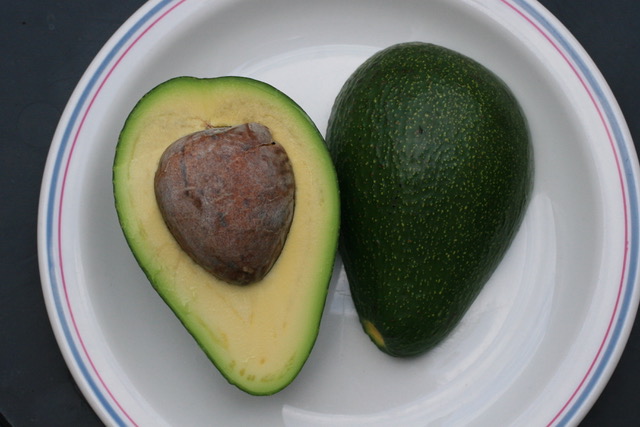
Toxic foods such as chocolate, onion and avocado should always be avoided.
Aviary birds may be affected by bonfire smoke, traffic fumes and fireworks.
Sign up to get early access to exclusive deals, special offers, new arrivals, blogs and more...